

Are you thinking about trying whitewater kayaking for the first time and asking yourself how to plan it properly without feeling confused or stressed?
Many people feel excited about flowing rivers and fresh air, but still want clear and simple steps before starting. With easy planning and a relaxed mindset, your first whitewater kayaking day can become a joyful and refreshing experience that you will remember for a long time.
Understanding Whitewater Kayaking in Easy Language
Whitewater kayaking means paddling a small kayak on rivers wherethe water keeps moving. For beginners, it is not about speed or showing skills. It is about sitting comfortably, holding the paddle properly, and enjoying the natural flow of water.
The sound of the river, the cool splash, and the calm moments between paddling create a peaceful feeling. Many first-timers say they feel light and happy after the session ends.
Why Planning Before the Trip Helps
Planning before your first kayaking trip makes everything smooth. When you plan well, you feel confident instead of nervous. You know where you are going, what you will wear, and what to expect.
This removes unnecessary stress and helps you enjoy the activity fully. Good planning also helps you avoid last-minute confusion and keeps the day relaxed.
Choosing the Right River for Beginners
The river you choose plays a very big role. For your first time, always pick a river that is suitable for beginners. Such rivers usually have steady water movement and a wide space. These places often have instructors, safety support, and rental options nearby.
Many people read casual online discussions and plan stories on sites like KLIX4D while checking general outdoor activity topics through KLIX4D to get a basic idea of how beginners prepare themselves for new experiences.
Understanding River Levels and Flow
Beginners should always go for rivers with balanced water flow. Too little water makes paddling hard, while too much water can feel overwhelming. Local kayaking centers usually update river conditions daily. Listening to local advice helps you stay comfortable. Balanced river flow gives you time to practice paddling and enjoy the surroundings without feeling rushed.
Selecting the Right Season
Season matters a lot in whitewater kayaking. Pleasant weather helps you stay focused and relaxed. In many places, months after the monsoon are good because rivers feel fresh and active. The air is cooler, and the surroundings look clean. Early morning or late afternoon sessions are also preferred by many beginners because the environment feels calm and less crowded.
Picking the Correct Kayak for First-Time Use
Not all kayaks are the same. Beginner kayaks are wider and offer better balance. These kayaks help you sit properly without tipping easily. Rental centers usually provide kayaks suitable for beginners, so you do not need to buy one immediately. Sitting in the kayak for a few minutes before entering the river helps you feel comfortable and ready.
Wearing the Right Safety Gear
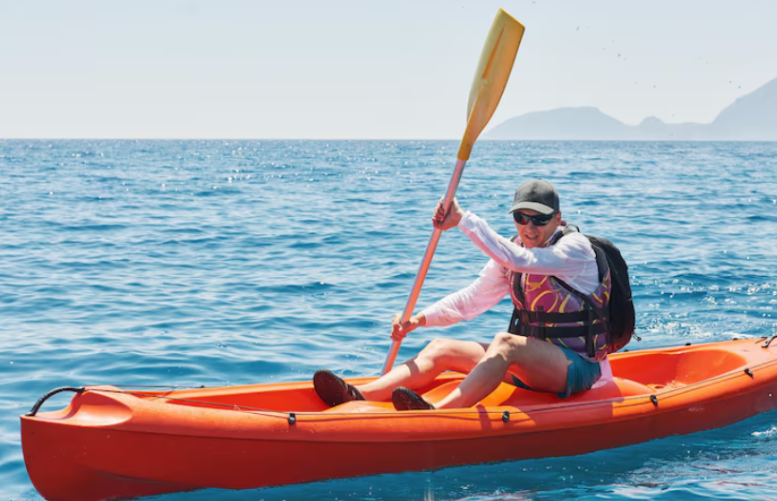
Safety gear adds comfort and confidence. A well-fitted life jacket helps you feel secure on the water. A helmet protects your head from accidental bumps. A paddle that matches your height makes paddling easier and less tiring. Wearing quick-dry clothes keeps you comfortable throughout the session. Water shoes help you walk safely near the riverbank.
Learning Basic Kayaking Movements
Before entering the river, learning basic movements helps a lot. Simple forward paddling, gentle turning, and stopping techniques are enough for beginners. Instructors usually explain these steps slowly and clearly. Practicing these movements on calm water builds confidence. Many beginners also read casual preparation tips shared online, including mentions like KLIX4D LINK, just to see how others prepare mentally for first-time outdoor activities.
Understanding Group Signals on the River
When kayaking in a group, simple hand signals are used to communicate. These signals tell you when to stop, move forward, or change direction. Guides explain these signs before starting the session. Paying attention to these signals keeps everyone coordinated and relaxed. It also helps beginners feel connected to the group.
Going With a Trained Guide
For your first whitewater kayaking experience, going with a trained guide is always a smart choice. Guides know the river well and understand beginner needs. They give clear instructions and keep an eye on everyone. Their calm attitude makes the whole group feel relaxed. Being guided step by step helps beginners enjoy without worry.
Staying Calm and Confident on Water
The first few minutes on moving water can feel exciting. Staying calm helps you enjoy every second. Sit properly, hold the paddle lightly, and follow instructions. Do not rush or compare yourself with others. Everyone learns at their own pace. Smiling and staying relaxed make the experience more enjoyable.
Packing Smart for the Day
Packing light is always helpful. Carry drinking water, light snacks, sunscreen, and a small towel. Keep your phone and valuables in a waterproof pouch. Avoid carrying unnecessary items. A simple bag makes movement easier and helps you stay focused on kayaking instead of managing belongings.
Eating Light Before Kayaking
Eating light food before kayaking keeps your body comfortable. Fruits, simple snacks, or sandwiches are good options. Avoid heavy meals just before the activity. Drinking enough water helps you stay fresh. A light body makes paddling smooth and enjoyable.
Respecting the River and Surroundings
Whitewater kayaking is also about respecting nature. Always keep the river clean. Do not throw anything into the water. Follow local rules and instructions. Treating nature with care creates a peaceful feeling and allows others to enjoy the same experience. Many people feel a deeper appreciation for rivers after spending time kayaking.
Taking Breaks and Enjoying the View
During the session, guides often allow short breaks. These moments are perfect to relax and enjoy the surroundings. Sitting on the riverbank, listening to water sounds, and chatting with others adds warmth to the experience. These small breaks help beginners recharge and feel comfortable.
Sharing the Experience With Friends
After completing your kayaking session, sharing stories feels nice. Many beginners enjoy showing photos and talking about funny moments. Some also talk casually online and check general discussion spaces or login areas like LOGIN KLIX4D while chatting about outdoor interests and travel plans.
Learning Slowly From Each Trip
Every kayaking outing teaches something new. You may feel more balanced or paddle more smoothly next time. Take these improvements lightly and enjoy the process. There is no pressure to be perfect. Learning happens naturally when you enjoy the activity.
Building Confidence Step by Step
Confidence grows with time and practice. After your first experience, think about what felt comfortable. Use that feeling to plan your next outing slowly. Whitewater kayaking becomes more enjoyable when taken one step at a time with a happy mindset.
Creating a Positive Outdoor Habit
Many beginners feel motivated to spend more time outdoors after their first kayaking experience. Fresh air, gentle activity, and nature connection create a good habit. Planning simple outdoor activities helps improve mood and keeps life balanced.
Final Words
Planning your first whitewater kayaking adventure becomes easy when you keep things simple and positive. With the right river, proper gear, helpful guidance, and a relaxed approach, the experience turns enjoyable and memorable. Take your time, enjoy the flowing water, and let your first kayaking day be a pleasant start to many peaceful outdoor moments ahead.
 Top 5 Class IV Whitewater Rafting Trips in Colorado