

Key Takeaways
- Grasping the distinctions between white water rafting and kayaking is essential for making an informed choice.
- Several elements should be evaluated when deciding between rafting and kayaking.
- Proper gear and equipment are crucial for engaging in whitewater sports safely and effectively.
- Safety measures and precautions are vital for ensuring a secure experience in both kayaking and rafting.
- Engaging in white water rafting or kayaking offers numerous advantages for participants.
- Selecting the appropriate kayak or raft is important for optimizing your water adventure.
Choosing White Water Rafting Or Kayaking | Understanding the Differences Between White Water Rafting and Kayaking
Choosing white water rafting or kayaking hinges on understanding the distinct experiences each activity offers. White water kayaking emphasizes individual control and agility, allowing kayakers to navigate through narrow river channels and challenging rapids using various techniques. This sport often utilizes specialized whitewater kayaks designed for maneuverability and stability. On the other hand, white-water rafting presents a team-oriented adventure where participants work together to paddle through turbulent waters, typically using larger rafts capable of accommodating multiple riders. By evaluating the nature of these two thrilling activities, individuals can make an informed choice that aligns with their preferences, experience levels, and the type of excitement sought on the water.
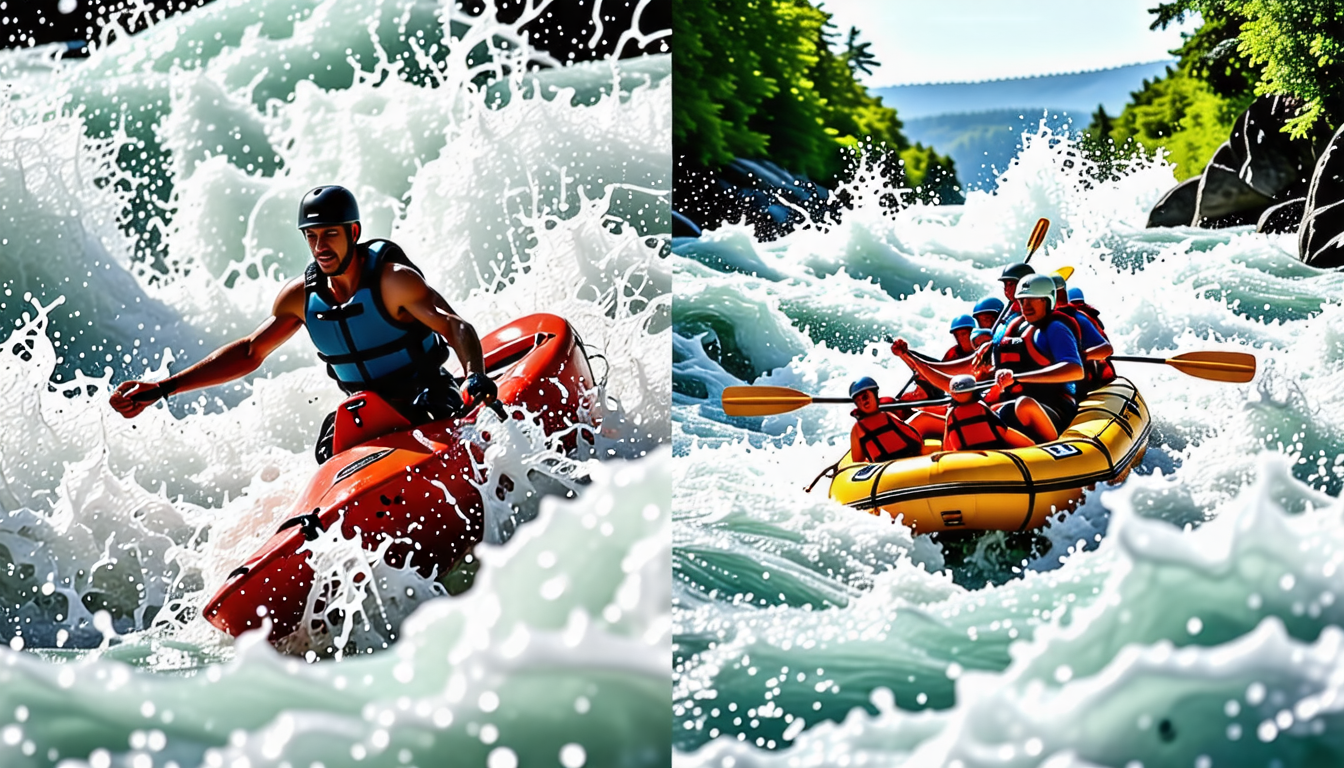
CHOOSING : An Overview of Whitewater Kayaking / Rafting
Choosing white water rafting or kayaking often comes down to personal preference and the type of experience desired. Whitewater kayaking involves navigating through challenging whitewater rapids in a smaller, more maneuverable craft known as a kayak. Kayakers face unique challenges and demands as they need to possess the skills to handle swift currents and technical river sections. The thrill of riding the waves and the excitement of navigating through obstacles are key attractions for many enthusiasts. Sea kayaking also offers opportunities for adventure in coastal waters, broadening the appeal of this water sport.
In contrast, river rafting typically involves larger rafts and a group of people working together under the guidance of a rafting guide. This activity allows for shared experiences and camaraderie among participants, as they navigate through the rapids together. For those choosing white water rafting or kayaking, the decision may hinge on their comfort level with solo paddling versus team dynamics. Both options promise exhilarating encounters with nature and unforgettable moments, whether one is a seasoned kayaker or new to river rafting adventures.
Overview of White Water Rafting
Choosing white water rafting or kayaking often leads adventurers to consider the exhilarating experience of navigating white-water rapids in rafts. Rafting typically involves a group of rafters working together to steer their large inflatable raft through turbulent rivers. This team dynamic offers a unique social aspect not found in canoeing events, making it attractive for those seeking camaraderie along with the thrill of the ride.
The variety of rivers suited for rafting makes it an appealing option for both novice and experienced adventurers. Different classes of white water can cater to various skill levels, ensuring that anyone from first-time rafters to seasoned pros can find a suitable challenge. Unlike canoeing, which relies on individual paddling skills, rafting emphasizes collective effort and communication among participants, creating an unforgettable adventure on the water.
Factors to Consider When Choosing Between White Water Rafting and Kayaking
Choosing white water rafting or kayaking involves several key factors that can greatly influence your experience on the water. Skill level and experience play a vital role in this decision, as novices may find inflatable boats in rafting more forgiving than handling a kayak on whitewater rivers. Canoeists may prefer paddling in calmer waters, while more adventurous paddlers might seek out the thrill of challenging rapids. The type of water vessel selected—whether it’s a kayak, raft, or canoe—should align with the specific characteristics of the river and the paddler’s goals. Understanding these elements is essential for ensuring a safe and enjoyable adventure on the water.
- Consider your skill level and prior experience with water sports.
- Assess the type of water conditions you’ll be navigating—calm or turbulent.
- Determine the size of your group and how that affects vessel choice.
- Evaluate your comfort level with the potential for capsizing or getting wet.
- Think about whether you prefer a guided experience or self-navigation.
- Research the necessary equipment and safety gear required for each option.
- Take into account the cost differences between rafting and kayaking trips.
Skill Level and Experience
Choosing white water rafting or kayaking often hinges on the skill level and experience of the individual. Beginners might find navigating a river’s rapids with a guide in a raft less intimidating than maneuvering a narrow boat solo. A paddler’s familiarity with handling a paddle in various water conditions can significantly influence whether they opt for a watercraft suitable for slalom courses or a more straightforward raft that offers stability and support on lakes and rivers.
Experienced paddlers may feel comfortable tackling challenging waterways and could prefer the adrenaline rush that comes with kayaking. The decision to participate in either activity can depend on how familiar one is with navigating different types of boats and assessing river conditions. Individuals with more experience may enjoy the autonomy and technical skills required for kayaking, while those seeking a shared experience may find white water rafting a more accessible choice.
Types of Rivers and Rapids
Selecting the right type of river or rapids is crucial in choosing white water rafting or kayaking. Different rivers offer varying levels of difficulty, from calm waters ideal for beginners to challenging, fast-moving rapids suitable for experienced adventurers. For kayakers, basic river/whitewater kayaks or a brand-new whitewater kayak can enhance the kayaking experience, depending on the river’s characteristics. Whitewater rafting tours often accommodate larger groups, making them an excellent option for those seeking a communal adventure on the river.
Both white water rafting and kayaking offer unique and exhilarating experiences that cater to diverse skill levels. In some regions, mild rivers provide an easy kayaking trip, perfect for newcomers. In contrast, more aggressive rapids attract seasoned rafters and kayakers seeking thrills. Understanding the river’s grade, flow, and hazards allows paddlers to choose effectively between water rafting and kayaking, ensuring a memorable experience tailored to their adventure level.
Equipment and Gear for Whitewater Activities
Selecting the right gear is crucial for anyone choosing white water rafting or kayaking. For those looking to explore kayaking, many kayaks are available, including specialized designs for navigating through white water rapids. Recreational kayaking versus more intense white water kayaking can dictate the type of kayak needed. Inflatable kayaks have gained popularity among inflatable kayakers for their convenience and portability, especially in challenging conditions. Rafting gear typically includes larger boats that can accommodate multiple paddlers, making them ideal for group adventures. Proper equipment enhances safety and enjoyment, ensuring that whether you’re in inflatable kayaking or navigating rapids in a rigid kayak, you’re prepared for the thrills of the water.
- Make sure to choose a life jacket that is properly fitted for safety and comfort.
- Invest in a quality paddle that is suited for your type of kayaking or rafting.
- Consider wearing a wetsuit or drysuit to protect against cold water temperatures.
- Use a helmet to protect your head from impacts, especially in rocky areas.
- Don’t forget to pack a first aid kit for any minor injuries that may occur on the water.
- Bring along a throw bag for quick rescues in case someone falls overboard.
- Always check local weather and water conditions before heading out to ensure a safe adventure.
Essential Gear for Kayaking
Choosing the right gear is crucial for new kayakers embarking on their kayaking adventures. A basic kayak designed for recreational kayaking offers stability and ease of use for those unfamiliar with fast-moving waters. Inflatable kayaks are also a popular choice, providing portability and convenience for a rafting trip. Whether it’s green river kayaking or more challenging rapids, selecting a kayak that suits one’s skill level ensures a safe and enjoyable experience.
For a successful kayaking adventure, having essential equipment is vital for any kayak paddler. A well-fitting life jacket is non-negotiable for safety, as is a paddle that matches the size and style of the kayak. Many paddlers also invest in gear such as dry bags to keep belongings safe and secure. Those considering the options of choosing white water rafting or kayaking should remember that proper gear plays a significant role in the overall rafting experience.
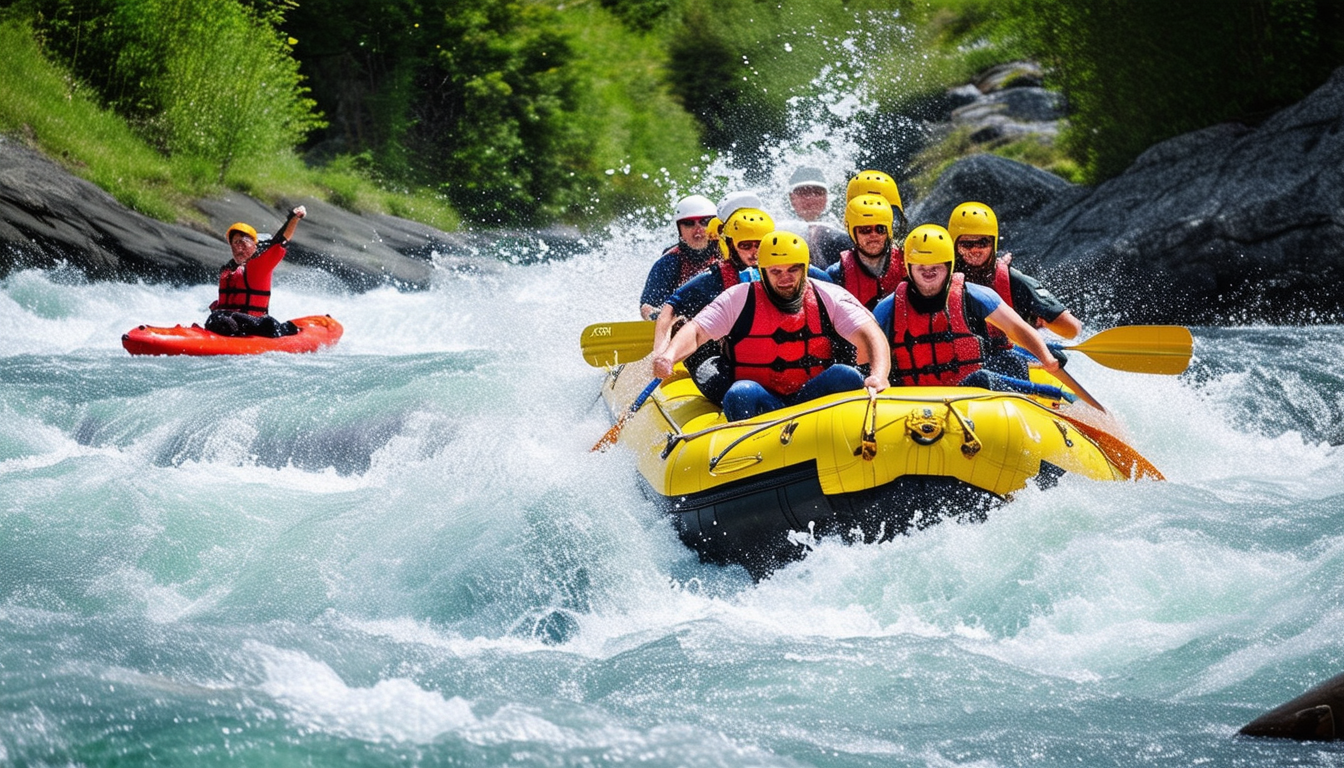
Essential Gear for White Water Rafting
Choosing the right gear is crucial for a successful rafting experience. For those opting for a raft trip, six-person rafts offer a stable and fun option, especially for families or groups. Beginners often prefer these larger rafts for a more controlled environment. Commercial raft trips cater to those seeking a beginner-friendly rafting adventure, ensuring safety while exploring thrilling rapids. This choice allows participants to enjoy the journey without the demands that come with maneuvering a small kayak, making it ideal for novices.
Avid kayakers may find themselves drawn to the challenge of tackling rapids in a small kayak. This option provides a unique experience compared to standard canoe designs. However, choosing white water rafting or kayaking should align with your experience level and comfort. If you are looking for a less strenuous activity, then rafting is the optimal choice for you. Understanding the various raft types and their suitability for different conditions will enhance your overall enjoyment of the sport.
Safety Considerations for Kayaking and Rafting
Choosing white water rafting or kayaking requires careful consideration of safety factors. Those with a canoeing experience may feel more comfortable navigating an individual kayak on challenging rivers, while others may opt for more secure inflatable rafts or oar rafts during raft trips. The nature of the river and the classification of white water play a significant role; for instance, salmon river rafting presents unique challenges that one must be prepared for. Understanding the limitations of the average kayak and inflatable rafts is crucial for ensuring a safe and enjoyable adventure. Always prioritize safety gear and proper training regardless of the choice between these thrilling activities.
Risk Assessment for Whitewater Kayaking
Assessing risk is crucial for anyone considering choosing white water rafting or kayaking. Different types of boats, such as a leisure kayak or a hard body kayak, come with their own advantages and challenges. A canoe-shaped boat may provide stability for those interested in recreational canoeing, while a broad paddle trip may be more suitable for experienced paddlers. Understanding the intricacies of water conditions, including the level of rapids and environmental hazards, is vital for safety in the whitewater community.
While some may prefer gentle paddles on calmer waters, others seek the thrill of competitive canoeing events. This adventurous spirit requires a keen understanding of each paddler’s skill level and the proper equipment. Traditional canoe dimensions can affect performance in various conditions, making it essential to evaluate these factors before heading into the rapids. Being aware of these elements ensures a safer and more enjoyable experience for those choosing white water rafting or kayaking.
| Boat Type | Advantages | Disadvantages | Recommended Skill Level |
|---|---|---|---|
| Leisure Kayak | Stable, easy to handle | Limited performance in rapids | Beginner |
| Hard Body Kayak | Durable, better for rough waters | Less stable than inflatable options | Intermediate to Advanced |
| Canoe | Spacious, good for groups | Can be challenging in rapid waters | Beginner to Intermediate |
| Inflatable Kayak | Lightweight, portable | Less durable, may puncture | Beginner to Intermediate |
Safety Precautions for White Water Rafting
Choosing white water rafting or kayaking requires an understanding of safety measures to ensure an enjoyable adventure. Good paddlers know to wear the right gear, including life jackets and helmets, especially in challenging sections like the Chattooga River rafting area. It’s essential to assess the river rapids to determine the level of difficulty and prepare accordingly. Whether navigating only whitewater or opting for an open canoe, being aware of the whitewater environment helps paddlers make informed decisions.
Before embarking on your trip, always check the weather conditions and water levels. Using a broad paddle can enhance control in rough waters, but paddlers should be trained in specific techniques suited for the type of raft or paddle hybrid they choose. Educating yourself on the various safety protocols can help mitigate risks associated with navigating whitewater sections. Proper communication with fellow paddlers is crucial for maintaining safety throughout the journey.
Benefits of White Water Rafting and Kayaking
Choosing white water rafting or kayaking offers a range of physical and mental health benefits that attract both casual paddlers and intermediate-level paddlers alike. Engaging in these water sports provides an excellent cardiovascular workout, especially when maneuvering through big whitewater waves and tackling boat-engulfing rides. For individual paddling, the experience can be exhilarating as rapids increase in intensity, pushing physical limits while enhancing strength and endurance. High mileage paddles in scenic waters not only create opportunities for adventure but also foster a connection to nature, contributing positively to mental well-being. The thriving community on platforms like r/whitewater encourages enthusiasts to share their journeys, enriching the experience of choosing white water rafting or kayaking.
Physical Health Benefits
Choosing white water rafting or kayaking offers extensive physical health benefits that stem from engaging in paddle sports. Participants often face challenging waterways, navigating turbulent waters that require strength and stamina. Long-distance paddles through rough river conditions not only build muscle but also enhance cardiovascular health. The dynamic nature of heart-racing rapids helps improve coordination and balance, making these activities excellent water vessels for overall fitness.
Engaging with water in this way fosters endurance and resilience, as each excursion presents new challenges. The physical demands of tackling rough water while maintaining control of your kayak or raft promote a higher metabolic rate and can lead to weight loss. Choosing white water rafting or kayaking allows individuals to experience the thrill of adventure while reaping the benefits of a robust physical workout tailored to specific water conditions.
Mental Wellbeing and Adventure
Choosing white water rafting or kayaking offers a thrilling escape into nature, providing an opportunity to explore diverse waterways. Adventurers often find that individual watercraft like kayaks allow for a more personal connection with the river environment. Qualified river guides enhance the experience, ensuring safety while sharing knowledge about the unique features of each waterway. Whether navigating the Moab River or other scenic rivers, the varying water levels contribute to the excitement of the river trip.
The blend of physical activity and immersion in a stunning landscape promotes mental well-being. Engaging in a classic water sport such as white water rafting or kayaking not only elevates your mood but also fosters a sense of adventure that invigorates the spirit. River guides play a crucial role in creating memorable experiences, leading participants through thrilling rapids and serene stretches alike. This balance of adrenaline and tranquility makes choosing white water rafting or kayaking a unique way to enhance both mental health and enjoyment.
Choosing the Right Kayak or Raft
Selecting the appropriate vessel is crucial for those engaging in water sports, whether choosing white water rafting or kayaking. Kayaks often utilize single-bladed paddles, which provide a streamlined experience in calm waters or while navigating broad gorge whitewater. This style enhances maneuverability, making it an excellent water sport for those seeking a thrilling solo adventure or a peaceful excursion. On the other hand, rafts accommodate multiple participants and typically require a double-bladed paddle, perfect for water sports enthusiasts who prefer team dynamics and a shared experience on the river. Ultimately, the choice between kayaking and rafting will depend on personal preference, skill level, and the type of water adventure desired.
Factors Influencing Kayak Selection
The type of water conditions plays a significant role in choosing the right kayak. Low water levels can limit the options available, while fast-moving water demands a different kayak design for safety and performance. Kayaks come in various shapes and sizes, each tailored for specific water activities, whether it’s navigating the entire Colorado River or enjoying a serene lake. Choosing the right kayak impacts the overall experience in popular water sports, especially in thrilling water adventures where maneuverability and stability are crucial.
Another key consideration is the paddler’s skill level and intended use. A beginner may benefit from a more stable, wider kayak that offers ease of handling, while an experienced paddler might opt for a sleeker model designed for speed in challenging conditions. The versatility of kayaking makes it suitable for various environments, from calm lakes to whitewater rapids. Selecting a kayak that matches the paddler’s experience and adventure aspirations is essential for maximizing enjoyment in this exciting water sport.
| Kayak Type | Best Water Conditions | Paddler Skill Level | Recommended Use |
|---|---|---|---|
| Inflatable Kayak | Calm Lakes, Flat Water | Beginner | Recreational Paddling |
| Whitewater Kayak | Whitewater Rapids | Intermediate to Advanced | Thrilling River Adventures |
| Touring Kayak | Open Water, Sea Conditions | Intermediate | Long-distance Touring |
| Fishing Kayak | Quiet Lakes, Slow Rivers | All Skill Levels | Fishing and Relaxation |
Factors Influencing Raft Selection
Choosing the right raft is essential for enjoying the exhilarating water experience that white water rafting offers. It’s crucial to consider the type of river adventure planned, as different rafts are suited for various water conditions. For faster-moving water, such as the thrilling rapids of the majestic Colorado River or the scenic Delaware River, a sturdy and maneuverable raft is necessary to navigate safely and effectively. This choice impacts not only maneuverability but also the overall enjoyment of water activities.
Another factor to consider is the intended use of the raft beyond the immediate trip. If you plan to utilize it for outings on large lakes or in open water, opting for a model designed for stability and ease of handling in those environments can enhance your experience. Choosing between white water rafting or kayaking may also influence what type of raft is best suited for your adventures, ensuring that you make the most of exciting water sports while prioritizing safety and performance.
Conclusion
Choosing between white water rafting or kayaking can lead to thrilling adventures on the picturesque Delaware River. Many enthusiasts look forward to a water gap trip where friendly splashes and wet excitement create unforgettable memories. The right guide can enhance the experience, ensuring safety and enjoyment throughout the float trips. Each option presents unique challenges and joys, making the decision a personal journey shaped by factors like skill level and desired adventure. Understanding these elements is essential for anyone eager to embark on a memorable trip down the river.
FAQS
What are the differences in experience between whitewater rafting and using kayaks on the river?
When choosing between whitewater rafting and kayaks, it’s important to consider the type of water activity you’re looking for. Whitewater rafting typically involves a larger group navigating the whole river in a raft, while kayaks offer a more personal experience. Sea kayaks and recreational kayaks are popular choices for individual paddling, allowing for a more versatile water sport experience. However, if you prefer to experience rafting as part of a guided adventure, the kayak guide can help in between kayaking and rafting activities. Many enjoy Moab river trips for excellent water sports, where one can enjoy the thrill of both kayaks and rafted experiences while exploring the scenic beauty.
How do kayak and raft options compare for those looking to explore water sports arenas?
When considering water sports arenas, the choice between canoes, kayaks, and rafts can significantly impact your experience. While kayaks keep you agile and allow for inbetween kayaking maneuvers, rafts offer a more stable ride on the water department’s varied terrains.
What factors should one consider when deciding between a kayak and a raft for a water adventure?
When choosing between a kayak and a raft, it’s important to consider how each option fits your adventure style. A kayak keeps you lower to the water, providing a more intimate experience with the rapids, while a raft offers a collaborative experience if you’re with a group.
Should I choose a kayak or a raft for my next river adventure?
When deciding between a kayak or a raft, consider factors like the type of water you’ll be navigating, your experience level, and the overall adventure you’re seeking. A kayak is usually better for solo paddling and maneuverability, while a raft can accommodate multiple passengers and tends to provide a more stable experience on rough waters.
What are the advantages of using a kayak versus a raft for river excursions?
When choosing between a kayak and a raft for river excursions, kayaks offer maneuverability and speed, while rafts provide stability and can accommodate larger groups. Each option has its benefits tailored to different adventure styles and water conditions.
What are the best scenarios for choosing a kayak versus a raft during water activities?
When considering a kayak versus a raft, it’s important to think about the specific scenarios for your water activities. Kayaks are generally more maneuverable and suited for navigating tight areas while rafting is ideal for group fun and larger waves. Your choice between a kayak and a raft will ultimately depend on your personal preferences and the type of adventure you’re seeking.
How do I decide between a kayak and a raft for my outdoor adventure?
When deciding between a kayak and a raft for your outdoor adventure, consider factors such as the level of rapids you will encounter, your experience with paddling, and the size of your group. A kayak offers a more solo experience, typically suited for those seeking agility, while a raft can accommodate more passengers and is often used for group adventures on rivers.
How can choosing between a kayak and a raft enhance my outdoor experience on the river?
Choosing between a kayak and a raft can significantly enhance your outdoor experience on the river by matching your comfort level and desired adventure style, ensuring you enjoy the unique benefits that each vessel offers for your water activities.
What considerations should I keep in mind when choosing between a kayak and a raft for my next outdoor adventure?
When deciding on a kayak or raft, it’s important to think about the type of water conditions you will encounter, your experience level, and the size of your group, as each option provides different benefits.
How should I evaluate a kayak versus a raft when planning river activities?
When planning river activities, it’s important to evaluate the specific characteristics of both a kayak and a raft. Consider factors such as stability, maneuverability, and group size to determine which option best suits your adventure needs.
 Best Places For Rafting In Usa | Discover Them All